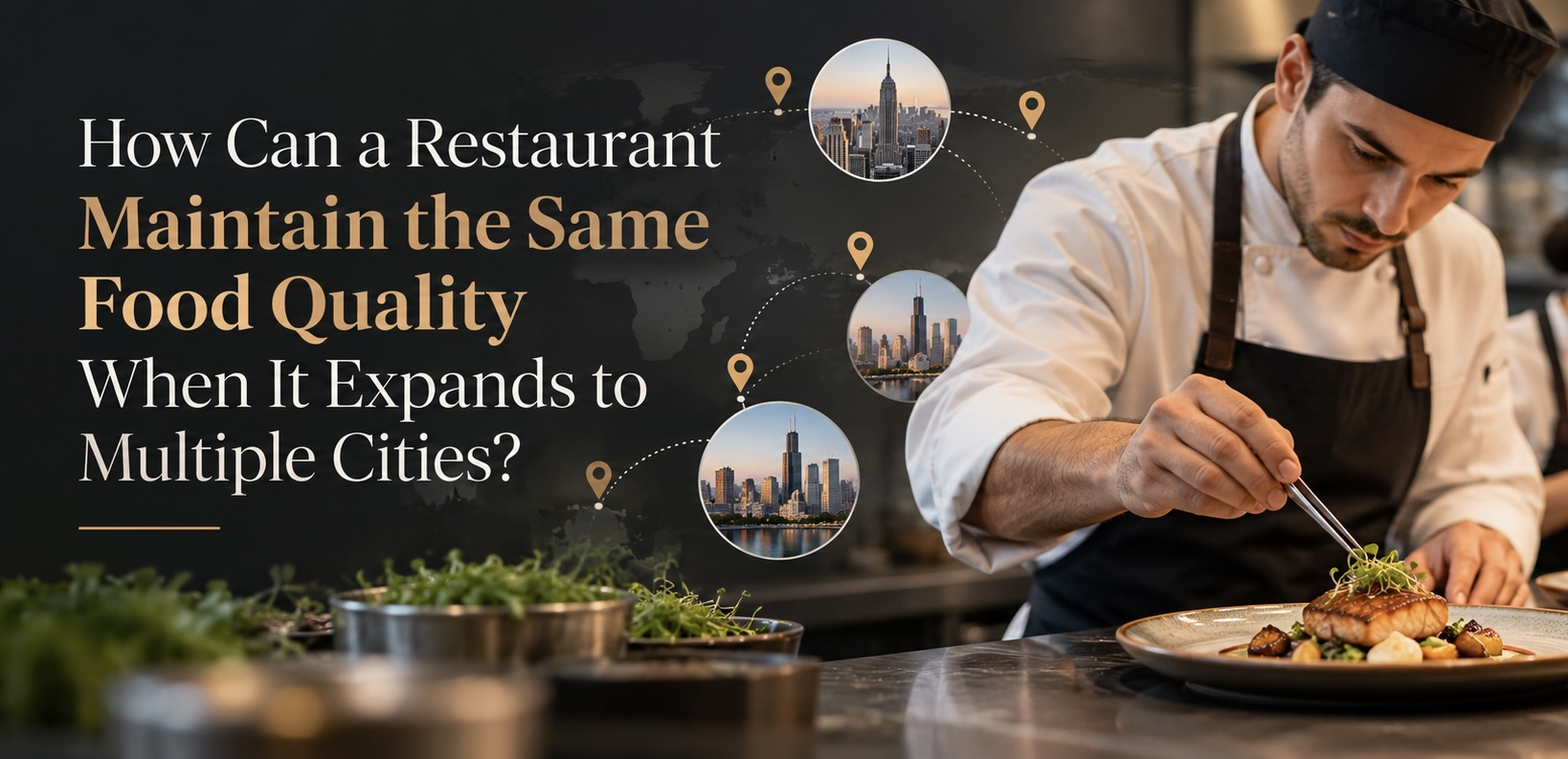
How Can a Restaurant Maintain the Same Food Quality When It Expands to Multiple Cities
Author:Premium Franchise and locations
Date: Loading...
Expanding a restaurant business to multiple cities is an exciting opportunity, but maintaining consistent food quality across every outlet can be challenging. Customers expect their favourite dishes to taste the same, whether they visit a restaurant in Delhi, Mumbai, Jaipur, or Bengaluru. Even small differences in ingredients, cooking methods, portion sizes, or presentation can affect the overall dining experience. For restaurant owners planning to expand, building a reliable system for food preparation and quality control is essential for long-term success.
1. Create Standardised Recipes for Every Dish
A standardised recipe helps every kitchen team prepare food using the same ingredients, measurements, cooking temperatures, and preparation methods. Instead of relying on individual chefs' experience or personal judgement, restaurants should document each recipe with clear instructions. These guidelines should also include portion sizes, preparation time, plating methods, and acceptable quality standards. This makes it easier to maintain the original taste and presentation across all locations.
2. Choose Reliable Ingredient Suppliers
The quality of raw materials directly affects the final dish. When a restaurant expands into different cities, sourcing the same ingredients can become difficult because supplier availability, freshness, and product specifications may vary. Restaurants should establish clear ingredient standards and work with verified suppliers who can consistently meet their requirements. For ingredients that strongly influence flavour, centralised purchasing or approved supplier networks can help reduce variations between outlets.
3. Train Kitchen Staff Properly
Even the best recipes cannot deliver consistent results without trained employees. Every new outlet should follow a structured training programme that covers ingredient handling, food preparation, cooking techniques, hygiene, storage, and presentation. Practical demonstrations and regular assessments help kitchen teams understand the brand's expectations. Refresher training is equally important because staff changes, new menu items, and busy service periods can affect food quality.
4. Establish a Central Kitchen Where Practical
A central kitchen can help growing restaurant brands maintain greater control over important preparation processes. Selected sauces, spice blends, marinades, and partially prepared ingredients can be produced at a central facility and supplied to different outlets. This reduces preparation variation and saves time during service. However, restaurants must carefully manage transportation, temperature control, shelf life, and food safety to ensure that ingredients reach every location in suitable condition.
5. Conduct Regular Food Quality Audits
Food quality should be monitored continuously rather than checked only when a complaint occurs. Restaurant managers can conduct regular inspections to evaluate taste, texture, aroma, temperature, portion size, presentation, and hygiene. Mystery dining visits and customer feedback can also help identify differences between outlets. Maintaining written audit records allows management to recognise recurring problems and take corrective action before they affect more customers.
6. Use Technology to Monitor Operations
Digital tools can make quality management easier as a restaurant network grows. Standardised recipe management systems, inventory software, kitchen display systems, and outlet-level reporting can help management monitor preparation methods, ingredient usage, wastage, and operational performance. Temperature monitoring tools can also support food safety practices. Technology does not replace skilled kitchen staff, but it provides better visibility into daily operations and helps management identify inconsistencies quickly.
7. Adapt to Local Markets Without Changing the Core Identity
Different cities may have different customer preferences, ingredient availability, and dining habits. Restaurants can introduce local specials or limited-time offerings to meet these preferences, but they should define clear boundaries for menu changes. Signature dishes, core recipes, and essential flavour profiles should remain consistent unless the brand deliberately approves a change. This allows restaurants to connect with local customers while protecting the identity that made the brand popular.
8. Build Accountability Across Every Outlet
Maintaining consistent food quality requires clear responsibility at every level. Head chefs, outlet managers, procurement teams, and quality control staff should understand their individual roles. Restaurants can establish measurable performance standards, regular reporting schedules, and clear procedures for handling complaints or quality failures. When each outlet follows the same operating standards, management can identify problems faster and maintain a more dependable customer experience.
Frequently Asked Questions (FAQs)
1. Why is maintaining food quality difficult during restaurant expansion?
Expansion introduces new suppliers, kitchen teams, locations, and operating conditions. Without standardised processes, these differences can affect taste, consistency, and presentation.
2. How can restaurant owners ensure consistent taste across outlets?
They can use documented recipes, precise ingredient measurements, approved suppliers, staff training, and regular food quality audits.
3. Does a central kitchen help maintain food quality?
Yes. A central kitchen can standardise the preparation of selected ingredients and sauces, provided transportation, storage, and food safety are managed properly.
4. How often should restaurant outlets undergo quality checks?
Scheduled management audits and periodic unannounced inspections should support daily operational checks. The frequency should depend on the outlet's size, menu, and operational risks.
5. What should restaurant owners consider before expanding into multiple cities?
They should assess supply chain reliability, staff training needs, kitchen infrastructure, food safety procedures, quality-control systems, and the operational support available at each location.
Conclusion
Maintaining the same food quality across multiple cities requires more than a good recipe. It depends on standardised processes, dependable suppliers, skilled kitchen teams, regular quality checks, and effective operational management. Restaurants that establish these systems before expanding are better prepared to protect their signature flavours and customer trust. For entrepreneurs considering restaurant expansion, choosing a brand with strong operational support and clearly defined quality standards can make multi-city growth more manageable and sustainable.






Office Address
Office no 51, Ground Floor, DLF Tower, Shivaji Marg, Moti Nagar, New Delhi 110015
© 2026 Premium Franchise & Locations. All rights reserved.