Call Us: +91 9871711055

Quick EnquiryFranchise Your Brand

Premium Franchise and Locations

Home

Franchise Categories

Food & Beverage
Cafe LoungesRestaurantsQSRPub, Bar & Night ClubsCafe

Blogs

Premium Franchise And Locations

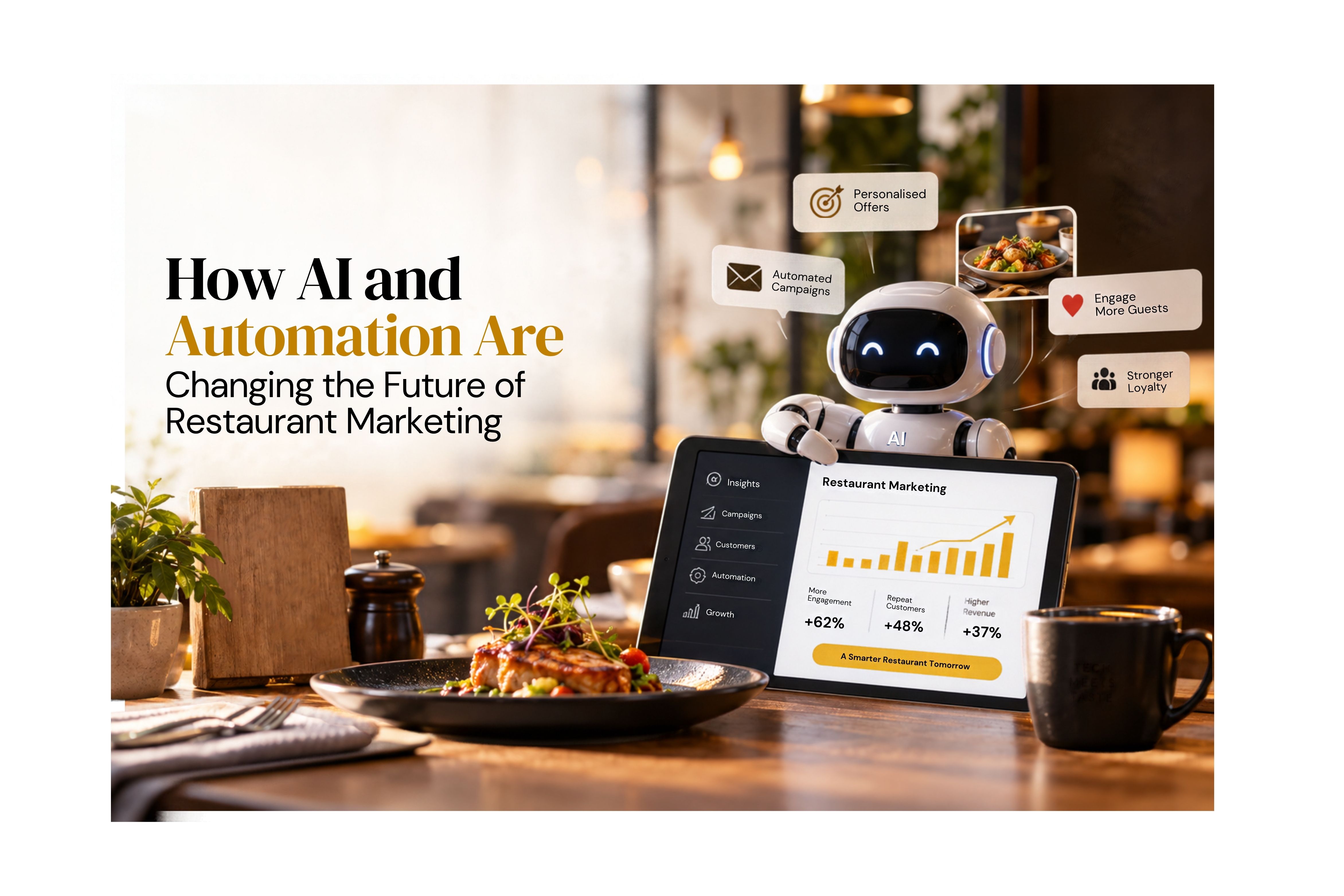
How AI and Automation Are Changing the Future of Restaurant Marketing

Restaurant marketing has moved far beyond print ads, hoardings, and word-of-mouth. Today, it runs on data — who your regulars are, what they order, when they visit, and what makes them come back. AI and automation are the engines behind that shift, helping restaurants understand customers, personalise communication, create content faster, and advertise more efficiently. This doesn't mean restaurant marketers are becoming obsolete — it means their toolkit is expanding. A global Deloitte survey of 375 restaurant executives across 11 countries found that eight in ten expect their AI investment to increase in the next fiscal year, with better customer experience and loyalty programmes cited as top expected benefits. 


What Is AI-Powered Restaurant Marketing? 


AI-powered restaurant marketing means using machine learning and data analysis to understand customer behaviour, predict preferences, and personalise how a restaurant communicates — from a WhatsApp offer to a loyalty reward. It's useful to separate two related ideas: AI helps generate insights and predictions (which customers are likely to churn, which dish to recommend), while automation executes repetitive tasks based on rules or triggers (sending a birthday SMS, posting a scheduled Instagram story). Together, they let a restaurant run smarter, more consistent marketing without a proportionally larger team. 


How AI Is Changing Restaurant Marketing Today 


1. Personalised Customer Experiences 

AI tools can analyse order history, visit frequency, and response to past offers to suggest more relevant recommendations, menu prompts, and loyalty rewards for each guest. A 2025 Deloitte survey found that customer experience (60%) and loyalty programmes (31%) are the top areas restaurant executives expect AI to strengthen. This kind of personalisation only works when customer data is collected and used responsibly, with clear consent. 


2. AI-Powered Content Creation 

AI assistants can help marketers draft social captions, ad copy, email campaigns, and content calendars faster. But human review remains essential — for brand voice, factual accuracy around food claims, cultural context, and the creative spark that makes a campaign memorable. AI is best used as a first draft, not a final one. 


3. Smarter Restaurant Advertising 

On platforms like Google Ads and Meta Ads, AI supports audience segmentation, creative testing, and budget allocation, helping marketers make faster decisions on where rupees go. Deloitte's survey found that 26% of restaurant executives expect AI to specifically strengthen their digital marketing efforts. Faster decisions still require sound strategy, proper tracking, and human oversight to avoid wasted spend. 


Marketing Automation for Restaurants 


Automation reduces the repetitive load on marketing teams: 


• WhatsApp/SMS campaigns — automated offers, reservation reminders, birthday messages, and re-engagement pings for lapsed customers.

• Email marketing — welcome sequences, promotions, and feedback requests triggered by customer actions.

• CRM automation — segmenting customers into first-timers, regulars, high-value diners, and inactive guests, so messaging matches behaviour rather than being one-size-fits-all


AI and Restaurant Customer Data.


The more a restaurant understands about purchase history, visit frequency, order preferences, location, and response to promotions, the more relevant its campaigns become. But this value depends entirely on how data is handled — with clear consent, appropriate privacy safeguards, and compliance with applicable data-protection rules. (This isn't legal advice; restaurants should consult a qualified professional on data compliance specific to their markets.) 


AI-Powered Chatbots and Customer Support 


Chatbots top the list of AI capabilities restaurants actually use, with 60% of surveyed executives running them daily for orders, reservations, and customer service queries, and another 27% piloting them. They're well suited to FAQs, hours, menu questions, and simple booking requests, offering round-the-clock coverage. Complex complaints or sensitive issues, though, still need a human on the other end. 


AI and Customer Reviews 


AI-powered sentiment analysis can process large volumes of reviews to surface patterns — which dishes get praised repeatedly, where service complaints cluster, and how feedback differs by location. Restaurant managers can use these insights to refine both marketing messaging and the actual guest experience, closing the loop between what customers say and what the brand does next. 


Predictive Marketing for Restaurants 


Predictive analytics uses historical data to flag likely patterns — busy periods, demand spikes, which customers are likely to respond to a given promotion, or who's at risk of churning. It's important to be clear-eyed here: predictions are informed estimates, not guarantees, and should guide decisions rather than replace judgement. 


AI-Powered Loyalty and Retention 


AI can make loyalty programmes feel less generic — personalised rewards, dish recommendations, birthday offers, and targeted win-back campaigns for inactive customers. Deloitte categorises this as the industry's "second wave" of AI adoption, with roughly 70% of restaurants either actively using or piloting AI to boost loyalty programmes. Since acquiring a new customer typically costs more than retaining an existing one, this is where AI-driven personalisation often pays off fastest. 


How AI Can Help Restaurant Franchises 


For franchise brands, AI and automation help maintain consistency across locations while still allowing local relevance — centralised campaign templates with local customisation, automated lead routing to the nearest franchisee, unified customer segmentation across outlets, brand-monitoring dashboards, and standardised performance reporting. Notably, Deloitte's data shows Asian restaurant brands — a region that includes India — reporting higher AI adoption rates across most applications than their US and European counterparts, suggesting Indian franchise networks are well positioned to adopt these tools early rather than play catch-up. 


Benefits of AI and Automation for Restaurant Marketing


The upside is fairly consistent across the industry: time saved on repetitive work, sharper personalisation, faster decision-making from large data sets, more efficient campaigns, automated communication at scale, better retention, and quicker reporting. None of this guarantees a specific ROI — results depend heavily on execution and data quality. 


Challenges and Risks of Using AI  


The picture isn't all upside. In Deloitte's survey, restaurant executives flagged difficulty identifying the right use cases and managing risk as their top challenges, and only about 20% felt they had adequate risk and governance frameworks in place. Other real risks include inaccurate AI-generated content, generic-sounding brand voice, over-automated (and frustrating) chatbot experiences, data privacy concerns, implementation costs, and the need for staff training. Human oversight remains essential at every stage. 


How Restaurants Can Start Using AI Today 


1. Start with content — use AI to brainstorm social posts, blog topics, and ad copy ideas.

2. Automate repetitive communication — welcome messages, feedback requests, loyalty nudges.

3. Improve segmentation — group customers by real behaviour, not guesswork.

4. Use AI for data analysis — spot trends in sales and campaign performance.

5. Test AI-powered advertising — start small, measure, then scale what works.

6. Keep humans in control — review AI output before it reaches customers. 


The Future of Restaurant Marketing 


Expect deeper predictive personalisation, more conversational ordering, hyperlocal advertising, and increasingly integrated restaurant CRM platforms. Generative AI, despite the buzz, is still used daily by only 9% of surveyed restaurant executives today — a reminder that many of these capabilities remain in early stages. Current adoption and future possibility are two different things, and the gap between them is exactly where restaurant marketers still add the most value. 


FAQs 


How is AI changing restaurant marketing?

 It's enabling faster content creation, more personalised offers, automated communication, and data-driven ad targeting — reducing manual work while improving relevance. 


How can restaurants use AI for marketing?

Through chatbots, automated WhatsApp/email campaigns, CRM segmentation, review sentiment analysis, and AI-assisted content and ad optimisation. 


What is restaurant marketing automation?

 The use of software to automatically execute repetitive marketing tasks — like sending offers or follow-ups — based on customer triggers or schedules. 


Can AI help restaurants get more customers?

 It can improve targeting and retention, but results depend on strategy, execution, and data quality — not the technology alone. 


How can AI personalise restaurant marketing?

 By analysing order history, visit patterns, and preferences to tailor offers, recommendations, and loyalty rewards per customer. 


Can AI replace restaurant marketers?

 No — it automates repetitive tasks and generates insights, but strategy, brand voice, and creative judgement still need humans. 


How can restaurant franchises use AI?

For centralised campaign management, local customisation, unified customer data across outlets, and consistent brand monitoring. 


What are the risks of using AI in restaurant marketing?

Data privacy concerns, inaccurate AI content, generic brand voice, over-automation, and the cost and training needed for proper implementation. 


Conclusion


The future of restaurant marketing isn't AI instead of people — it's AI, automation, customer data, and human creativity working together. The restaurants getting this right treat AI as a tool that handles the repetitive and the predictive, while marketers keep hold of strategy, storytelling, and the relationships that actually build loyalty. 

Read More
Premium Franchise And Locations

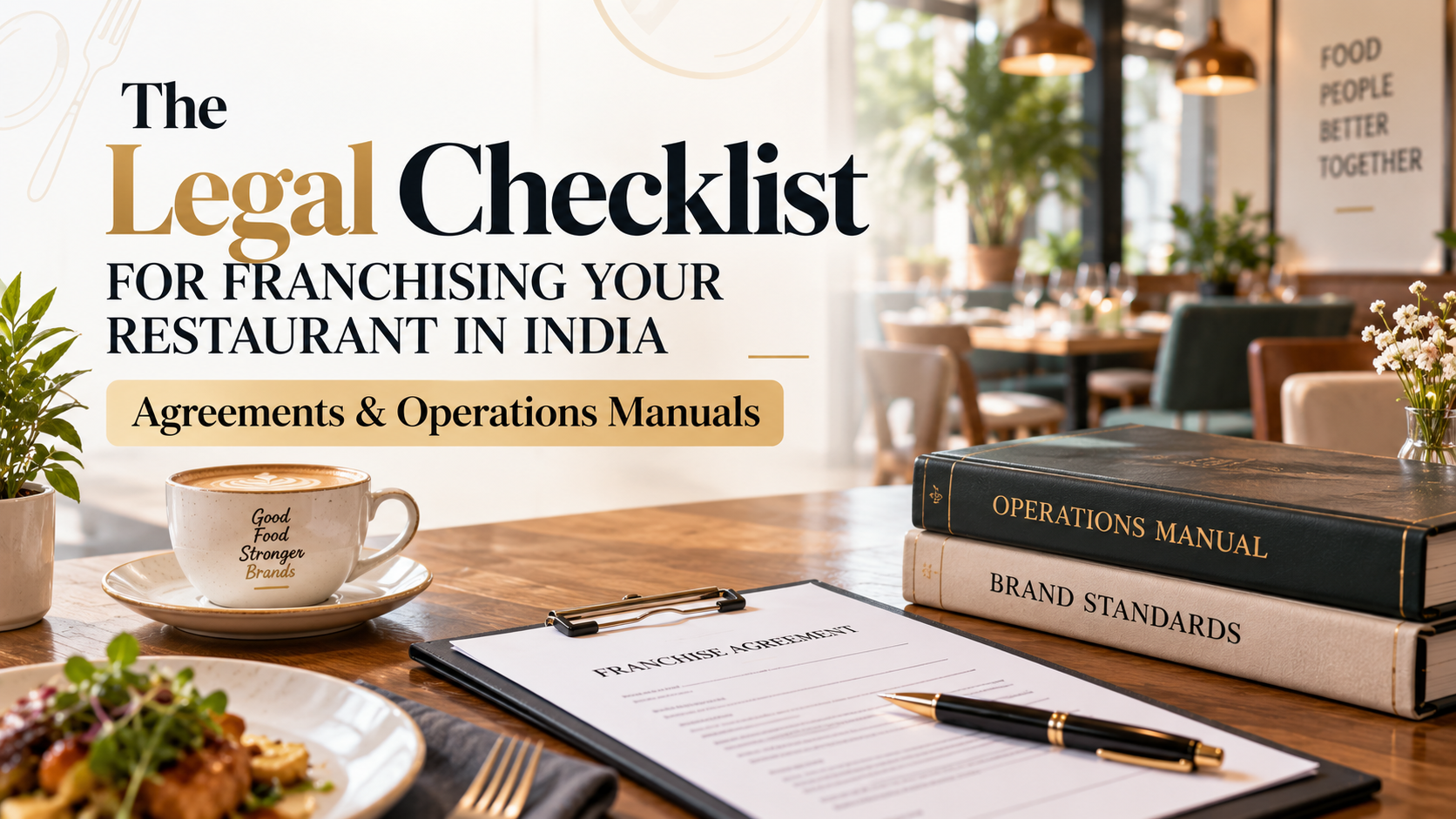
The Legal & Operational Blueprint for Franchising Your Restaurant in India

Expanding a food business across India offers a high-growth pathway for culinary entrepreneurs. Market assessments from the National Restaurant Association of India (NRAI) indicate that the domestic food service sector reached ₹5,69,487 crore (approximately $68 billion) in FY24 and is projected to grow to ₹7,76,511 crore (approximately $93 billion) by FY28. Within this surging ecosystem, organized F&B network expansion accounts for over a third of all commercial franchise setups nationwide. 


Yet, scaling beyond a founding branch requires far more than customer demand—it necessitates a legally airtight infrastructure and seamless operational continuity aligned with Indian statutory mandates. This manual breaks down the statutory obligations, contractual frameworks, and operational controls required to launch a compliant restaurant franchise model in India. 


Defining Restaurant Franchising in the Indian Context 


At its core, franchising is a commercial partnership where a brand owner (the franchisor) grants legal permission to an independent investor (the franchisee) to trade under their established business identity, proprietary processes, and trade name. In return, the franchisee remits upfront licensing capital alongside recurring percentage-based royalties. In India, launching a restaurant network relies on two foundational pillars: 


1. Commercial Contract & IP Protection: Formally licensing trademarks, proprietary recipes, and store designs through enforceable legal contracts governed by Indian commercial law.


2. Statutory & Regulatory Authorizations: Ensuring each physical outlet satisfies location-specific legalities, including FSSAI food safety clearances, municipal health trade permits, fire safety certifications, and tax registrations. 


Evaluating Franchise Readiness 


Before drafting commercial contracts, assess whether your dining format is structurally prepared for replication: 


• Proven Economics: The flagship outlet should showcase consistent financial returns across a minimum of 18–24 months of operations.

• Codified Kitchen Processes: Preparation steps must follow documented, standardized procedures rather than relying on individual chef expertise.

• Protected Brand Assets: Brand identifiers, titles, and visual markers must be officially registered with national intellectual property registries.

• Dependable Distribution Networks: Raw material sourcing and supply chains must be capable of delivering identical ingredient quality across different geographical locations. 


The Regulatory Ecosystem Governing Indian Franchising 


India does not enforce a single overarching federal franchise statute or maintain a central franchising authority. Rather, commercial franchise operations are regulated through a combination of statutory codes: 


• Indian Contract Act, 1872: Sets the legal foundation for contract formation, rights, breach remedies, indemnities, and termination terms.

• Trade Marks Act, 1999: Protects brand identity, grants exclusive rights to commercial use, and governs IP licensing terms.

• Consumer Protection Act, 2019: Shields end consumers from deceptive trade behavior, substandard service delivery, and defective goods.

• Income Tax Act, 1961 & GST Statutes: Oversee mandatory Tax Deducted at Source (TDS), Tax Invoice protocols, and Indirect Tax levies on fee structures.

• Food Safety and Standards Act, 2006: Sets nationwide benchmarks for kitchen hygiene, food-preparation standards, and mandatory food-business registrations. 


Essential Compliance Pillars for F&B Franchisors 


1. Food Safety & FSSAI Mandates 


Under the Food Safety and Standards Act, 2006, no food establishment may operate without valid authorization from the Food Safety and Standards Authority of India (FSSAI): 


• Licensing Tiers: Outlets generating up to ₹1.5 Crore annually require a Basic Registration; those grossing between ₹1.5 Crore and ₹50 Crore require a State License; while multi-state operators, large chains, or central processing kitchens must obtain an FSSAI Central License. 


• Division of Responsibility: Every franchisee must secure an independent FSSAI license under their own commercial entity for their specific outlet address. If the franchisor runs a central kitchen distributing signature sauces or proprietary pre-mixes, the franchisor must maintain a separate FSSAI Central License as a Manufacturer/Supplier. 


• Liability & Audit Risk: Serious hygiene defaults at an outlet affect both the operator and the core brand. Franchise contracts must mandate absolute adherence to FSSAI protocols, complemented by franchisor audit rights and operator indemnity clauses. 


2. Intellectual Property & Brand Rights 


Your brand identity constitutes your primary enterprise value. Safeguard it via the Office of the Controller General of Patents, Designs & Trade Marks (IP India) under the Trade Marks Act, 1999. 


• Relevant Filing Classes: Secure trademark rights under Class 43 (Services for providing food and drink) as well as Class 30 (Packaged food items, sauces, and seasonings).

• IP Licensing Clauses: Grant franchisees explicit, non-exclusive, and non-transferable authority to use brand assets solely for the contract duration and specified premises.

• Trade Secret Protection: Protect confidential recipes, spice proportions, and cooking techniques through robust Non-Disclosure Agreements (NDAs) alongside centralized ingredient mixing strategies. 


Crucial Provisions in a Franchise Agreement 


The Franchise Agreement is the primary legal document governing the relationship under the Indian Contract Act, 1872. Mandatory clauses include: 


• Grant of Rights: Outlines the exact scope and limitations of the operational license granted for a specific physical location.

• Financial Terms: Defines non-refundable initial joining fees, monthly royalty schedules (typically 4–8% of gross turnover), and contributions toward joint marketing funds.

• Territorial Protection: Specifies the precise geographical zone (such as a 3-kilometer radius) where the franchisor agrees not to establish another brand outlet.

• Mandatory Sourcing Rules: Directs franchisees to procure core ingredients exclusively through approved suppliers to ensure network-wide menu uniformity.

• Inspection Rights: Equips the franchisor to conduct unannounced kitchen checks, audit POS software records, and inspect storage conditions.

• Non-Compete Obligations: Restricts operators from establishing or participating in competing F&B enterprises during the contract period and for a set window post-termination.

• Exit & De-Branding: Establishes breach triggers, contract termination workflows, and immediate obligations to remove signage, logos, and proprietary decor. 


Tax Structuring: GST & TDS Regulations 


• GST Application on Fees: Under the Central Board of Indirect Taxes and Customs (CBIC) rules, initial franchise fees and ongoing royalties rank as a "supply of services" (SAC 997336), attracting 18% GST.

• Input Tax Credit (ITC) Impact: Standalone dining outlets charging the standard 5% GST on food sales (without ITC) cannot offset the 18% GST paid on franchise fees. Consequently, this 18% tax represents an unrecoverable operational overhead for the franchisee.

• Withholding Tax (TDS): Franchisees must deduct TDS under Section 194J of the Income Tax Act, 1961, on royalty transfers made to the franchisor (generally at 10%, or 2% depending on specific agreement classification). 


Municipal Permits & State-Level Clearances 


Local municipal compliance varies across states and cities. Franchise agreements must explicitly assign responsibility for local permits to the franchisee: 


• Shops and Establishments Certification: Governs working shifts, leave structures, and employee conditions under state legislation.

• Health Trade License: Issued by local urban administrative bodies (e.g., MCD in Delhi, BMC in Mumbai, BBMP in Bengaluru) confirming sanitary standards.

• Fire Service Clearances (NOC): Compulsory for dining facilities exceeding specific floor area or seating limits.

• Signage Approvals: Municipal clearances for exterior brand displays and building hoardings.

• Police Clearance / Eating House Permit: Required by select urban police jurisdictions (e.g., Delhi Police Commissionerate).


The Operational Role of the Kitchen Manual 


While the Franchise Agreement governs legal boundaries, the Operations Manual dictates day-to-day execution. Incorporating the manual by reference into the legal contract makes adherence to operational standards a binding obligation.   


An effective F&B Operations Manual details: 


1. Culinary SOPs & Specifications: Precise ingredient weights, step-by-step assembly guides, and portion management metrics.

2. Sanitation Protocols: Daily station cleaning schedules, storage temperature logs, and pest management procedures.

3. Stock Management: Minimum inventory thresholds, waste logs, and strict First In, First Out (FIFO) rotation policies.

4. POS & Service Operations: Register opening/closing checklists, guest interaction benchmarks, and complaint management steps. 


Common Mistakes to Prevent 


• Franchising Unprotected Marks: Licensing pending or unregistered brand names leaves the network vulnerable to third-party infringement and compulsory rebranding.

• Adopting Generic Contract Templates: Standard legal templates often lack crucial protections regarding supply controls, audit access, and post-exit non-compete terms.

• Unwritten Cooking Guidelines: Relying on verbal instruction rather than documented kitchen manuals leads to inconsistent taste across branches.

• Unsubstantiated Revenue Guarantees: Presenting revenue promises without verified operational evidence risks litigation for misrepresentation under contract law. 


Master Restaurant Franchise Checklist 


Phase 1: Brand Foundation & IP

• [ ] Complete trademark registrations under Class 43 and Class 30 with IP India.

• [ ] Confirm a minimum of 18–24 months of verified unit profitability.

• [ ] Draft a comprehensive Operations Manual detailing kitchen SOPs and management formats. 


Phase 2: Documentation Setup

• [ ] Formulate an India-specific Franchise Agreement featuring clear IP, royalty, and termination clauses.

• [ ] Draft non-disclosure agreements (NDAs) for prospective franchise partners.

• [ ] Assemble an Information Memorandum detailing business performance metrics. 


Phase 3: Statutory Compliance

• [ ] Ensure the franchisor entity holds an active FSSAI Central License for supply operations.

• [ ] Verify the franchisee secures outlet-specific FSSAI and municipal Health Trade Licenses.

• [ ] Institute 18% GST invoicing procedures for fee collections.

• [ ] Obtain local municipal clearances (Shops & Establishments, Fire NOC, Signage permits). 


Phase 4: Onboarding & Network Audits

• [ ] Perform background checks and financial verification on prospective franchise operators.

• [ ] Execute legal contracts and NDAs before site possession.

• [ ] Run pre-launch culinary training and pre-opening quality checks. 


Frequently Asked Questions (FAQs) 


Which legal documents are mandatory to franchise a restaurant in India? 

Primary documentation includes the Franchise Agreement, Non-Disclosure Agreement (NDA), Operations Manual (bound via contractual reference), Trademark Licensing Agreement, and Supplier Contracts. 


Is FSSAI licensing required at every individual franchise location? 

Yes. Each physical restaurant must obtain a location-specific FSSAI license under the franchisee’s operating business entity. Franchisors managing central manufacturing kitchens require a separate FSSAI Central License. 


Why is trademark registration necessary before launching a franchise? 

Securing trademark rights under the Trade Marks Act, 1999 gives you exclusive authority over brand assets. Without registration, enforcing brand protection or granting legal use to franchisees becomes problematic. 


What GST rate applies to restaurant franchise fees in India?

Initial franchise fees and ongoing monthly royalties attract 18% GST under SAC 997336. Franchisees operating under the standard 5% food GST rate cannot claim ITC against this 18% tax. 


What key sections belong in a restaurant Operations Manual? 

It must cover step-by-step recipe assembly, exact ingredient weights, kitchen opening/closing procedures, hygiene routines, POS handling, stock management rules, and emergency guidelines. 


Conclusion 

Building a successful F&B franchise network across India requires balancing commercial expansion with regulatory discipline. Protecting your intellectual property through IP India, establishing FSSAI and local municipal approvals, ensuring compliance, and maintaining operational excellence through detailed contracts and comprehensive Operations Manuals not only protects your enterprise value but also fuels your business growth. It's a powerful combination that sets the stage for lasting success! 


Before rolling out franchise locations, codify your kitchen procedures and consult experienced legal and tax advisors to ensure your expansion plan rests on a compliant, legally sound foundation. 

Read More
Premium Franchise And Locations

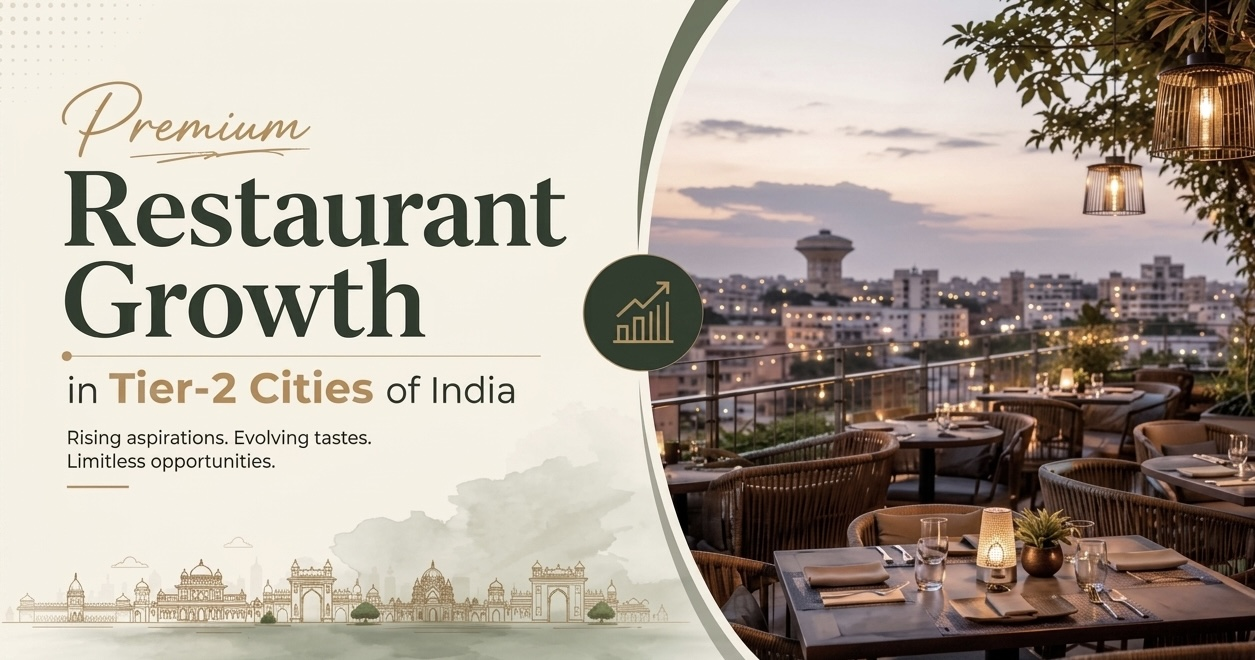
Premium Restaurant Growth in Tier-2 Cities of India

Premium restaurant growth in Tier-2 cities is fast becoming one of the defining stories of India's food-service industry. For years, the country's premium dining narrative was written almost entirely in six cities — Delhi, Mumbai, Bengaluru, Hyderabad, Chennai, and Pune. Fine-dining launches, celebrity chef collaborations, and global QSR entries all followed the same script: start in a metro, prove the concept, then think about "expansion" much later, if at all.


That script is being rewritten. According to a report by Grant Thornton Bharat, developed in collaboration with the National Restaurant Association of India (NRAI), titled Course Beyond Metros: Recipe for Growth, 94% of restaurant operators surveyed now plan to expand into Tier-II and Tier-III cities. This single statistic captures a broader shift: premium restaurant growth in Tier-2 cities is no longer an experiment — it is fast becoming a core strategy for brands looking at their next phase of expansion.


Rising disposable incomes, aspirational younger consumers, deeper digital adoption, and more accessible commercial real estate are combining to make cities well beyond the metro belt genuinely investable markets for premium F&B brands. This article looks at why this shift is happening, what the data actually shows, and how premium restaurant brands, franchise investors and F&B entrepreneurs can approach it sensibly.


What Are Tier-2 Cities in India?

There is no single, universally accepted definition of a "Tier-2 city" in India. Government classifications (such as the old House Rent Allowance city categories), RBI population-based groupings, and how research firms or businesses use the term all vary somewhat. Broadly, however, "Tier-2 cities" is used in business and industry conversation to describe large, fast-growing urban centres that sit just below India's largest metros in population, commercial maturity and market saturation, but are rapidly closing that gap.

For this article, "Tier-2 cities" is used broadly to mean major emerging urban markets outside India's largest metros — cities such as:

Jaipur, Indore, Lucknow, Surat, Nagpur, Coimbatore, Bhubaneswar, Chandigarh, Kochi, Vadodara


The Grant Thornton–NRAI report specifically highlights cities such as Indore, Lucknow, Jaipur, Nagpur, and Coimbatore as ones seeing rising disposable incomes, stronger infrastructure, and aspirational younger consumers. Readers should treat any Tier-2 city list as indicative rather than an official classification, since definitions differ by agency and by business context.


Why Are Tier-2 Cities Becoming Attractive for Premium Restaurants?


A. Rising Disposable Income

Household incomes in many Tier-2 cities are rising, and this is translating directly into spending on dining out, cafés and weekend food experiences. The Grant Thornton Bharat and NRAI report notes that average monthly incomes in Tier-II cities are approaching metro levels, even as the cost of living in these cities generally remains lower. This combination — income levels moving closer to metro benchmarks while daily expenses stay more manageable — leaves a larger share of household budgets available for discretionary spending, including premium dining, family celebrations and casual weekend outings.


B. Aspirational Consumers

Tier-2 city consumers, particularly Gen Z and millennials, increasingly see eating out as a lifestyle habit rather than an occasional treat. The same report observes that eating out has become mainstream for younger consumers in smaller cities, with branded restaurants now the preferred choice for celebrations, family outings and weekend leisure — not just metros.

It's important to note that premiumisation in these markets is not always about high price points. For many Tier-2 consumers, "premium" means better ambience, more consistent service, hygienic kitchens, recognisable branding, and a more curated experience — delivered at accessible price points. This is a meaningfully different consumer psychology than in saturated metro markets, and premium restaurant brands need to design their positioning accordingly.


C. Lower Operating Costs

One of the clearest structural advantages in many Tier-2 markets is real estate economics. The Grant Thornton–NRAI report notes that while commercial leases in prime metro zones often exceed ₹1,800 per sq. ft., Tier-II markets typically offer rentals at roughly one-tenth of that rate. Labour costs, too, are often comparatively lower in many of these cities.

This does not mean every Tier-2 city is cheaper than every metro location — costs vary significantly depending on the specific micro-market, city and property type. But in many Tier-2 markets, comparatively lower rentals and operating expenses can materially improve the unit economics of opening a premium restaurant, allowing operators to experiment with larger formats, hybrid dine-in-plus-cloud-kitchen models, or more ambitious QSR footprints than they might attempt in a high-rent metro location.

This cost advantage feeds directly into breakeven timelines. The same industry reporting on the Grant Thornton–NRAI study notes that nearly 78% of operators expect to achieve breakeven within two years in Tier-II and Tier-III markets — a notably faster payback cycle than the longer timelines typically seen in metros.


D. Growing Digital Adoption

Digital infrastructure has changed how premium restaurants are discovered, evaluated and ordered from, and this shift is playing out strongly outside metros too. Smartphone penetration, UPI-based payments, Instagram discovery, Google Search and Google Business Profile listings, and aggregator platforms such as Swiggy and Zomato have reduced the dependency on traditional advertising for brand discovery.

Food-delivery platforms have themselves been expanding deeper into smaller cities. Industry reporting on Swiggy and Zomato's recent quarterly performance notes that growth increasingly came from smaller cities, with affordability-focused offerings resonating strongly with consumers in Tier-II and Tier-III markets, even as mature metro markets like Delhi-NCR stayed comparatively steady. For premium restaurant brands, this means digital platforms — delivery apps, social media, and local search — can now do much of the heavy lifting for customer acquisition in these cities, reducing the traditional cost and time barrier to building brand awareness outside metros.


E. Tourism and Business Growth

Many Tier-2 cities are also benefiting from broader economic activity: growing IT and business parks, educational institutions, manufacturing clusters, and domestic tourism. The Grant Thornton–NRAI report specifically calls out micro-markets such as Gomti Nagar in Lucknow and Indore's Super Corridor as hotspots driven by IT parks, industrial corridors and connectivity upgrades. These pockets of concentrated commercial and residential activity are creating new customer segments — office-goers, students, business travellers and local residents — that premium restaurants can target with the right format and location strategy.


Tier-2 Cities vs Metro Cities for Premium Restaurants

-----------------------------------------------------------------------------------


+---------------------------------------------------+----------------------------------------------------------------------------+

| | |

v v v

Factor Metro Cities Tier-2 Cities

1. Competition Generally high Growing, with opportunities in selected markets

2. Rental costs Often higher Can be comparatively lower

3. Premium brand penetration Mature in many markets Increasing

4. Consumer aspirations High Rising rapidly

5. Localisation Important Extremely important


These are general market tendencies rather than universal rules — outcomes still depend heavily on the specific city, micro-market, and execution.


Why Premium Restaurant Brands Are Expanding Beyond Metros

Taken together, the factors above point to a clear strategic logic for premium restaurant expansion beyond metros: growing consumer demand, comparatively lower entry costs, less saturated competitive landscapes, rising disposable income, improving physical infrastructure (new malls and organised high streets), tourism-linked footfall, local entrepreneurial partnerships, and deeper food-delivery penetration.

The scale of intent among operators is significant. As noted earlier, 94% of restaurant operators surveyed for the Course Beyond Metros: Recipe for Growth report (Grant Thornton Bharat & NRAI, 2025) said they plan to expand within existing Tier-II cities or into new ones — a strong signal that this is now an industry-wide strategic priority, not an isolated bet by a handful of brands.

At the same time, the broader Indian food-services industry is on a strong growth trajectory that supports this expansion. According to the NRAI India Food Services Report 2024 (NRAI IFSR 2024), India's food-services industry was valued at approximately ₹5.69 lakh crore in FY24 and is projected to reach ₹7.76 lakh crore by FY28, growing at an overall CAGR of 8.1%, with the organised segment growing faster at 13.2% CAGR. The report also projects that the organised sector's share of the overall market will rise from 43.8% to 52.9% by 2028 — meaning a meaningfully larger portion of India's food-service spending will flow through branded, organised operators, many of whom are looking beyond metros for their next wave of outlets.


Premium Restaurant Franchising in Tier-2 Cities


Franchising is emerging as an important vehicle for premium restaurant expansion into Tier-2 cities, and for good reason. A premium restaurant franchise in Tier-2 cities allows a brand to combine local capital and local market knowledge — provided by the franchisee — with the brand's own standardisation, training systems, supply-chain management and central marketing.

This model offers several practical advantages for premium brands entering unfamiliar markets:

  • Local investment reduces the parent company's own capital exposure per outlet
  • Local market knowledge from the franchisee helps navigate site selection, hiring and vendor relationships
  • Faster expansion becomes possible since multiple franchisees can open in parallel across different cities
  • Brand standardisation, delivered through operational manuals, training academies and centralised supply chains, helps maintain consistency even at a distance

Restaurant franchise opportunities in India are consequently drawing renewed investor interest. Industry reporting on the Grant Thornton–NRAI study notes that investor interest in India's F&B sector rebounded sharply through 2025, with capital increasingly flowing into health-oriented, premium and tech-enabled ventures — many of them targeting non-metro expansion.

That said, franchising is not a guarantee of success. Outcomes still depend heavily on location selection, the level of investment, the strength of the underlying concept, pricing strategy, actual local consumer demand, day-to-day operational execution, the capability of the individual franchisee, and the overall strength of the brand itself. A weak concept or a poorly chosen location will not succeed simply because it carries a recognised name.


Which Premium Food Concepts Can Work in Tier-2 Cities?

-----------------------------------------------------------------------------------


+---------------------------------------------------------------------------------------------------------------------------------------------+

| |

v v

Premium Food Concept Why It Can Have Potential

Premium Café Social and lifestyle-oriented

Casual Dining Suitable for families and groups

Premium QSR Combines convenience with branded experience

Specialty Restaurant Can attract differentiated demand

Dessert & Bakery Brand Occasion-based and repeat consumption

Experiential Dining Appeals to younger aspirational consumers

Regional Premium Cuisine Combines local relevance with premium positioning

Restaurant Franchise Enables structured expansion


There is no single best format for every Tier-2 city. The Grant Thornton–NRAI report itself points out that quick-service restaurant formats tend to offer the fastest breakeven and highest turnover, while many operators are combining dine-in with cloud kitchen operations to balance delivery and footfall demand. Ultimately, success depends on local demand patterns, existing competition, pricing calibration, site selection, and operational execution.


Challenges Premium Restaurants Face in Tier-2 Cities

A balanced view of premium restaurant expansion in Tier-2 cities has to include the genuine operational hurdles operators face.


Talent shortages. This is one of the most significant challenges reported by the industry. The Grant Thornton Bharat–NRAI Course Beyond Metros report found that 61% of surveyed operators


reported shortages in both kitchen and service staff, with high attrition rates a recurring concern in these markets.


Supply chain constraints. The same report flags patchy cold-chain infrastructure and inconsistent last-mile logistics in many Tier-2 and Tier-3 markets, which can lead to spoilage and operational inefficiencies for premium concepts that depend on consistent ingredient quality.


Consumer price sensitivity. Even as Tier-2 incomes rise, consumers here tend to be more price-conscious than their metro counterparts. The Grant Thornton–NRAI report describes these consumers as "brand-aware but price-sensitive" — they want hygienic, aspirational dining experiences, but at accessible price points, which requires careful pricing calibration for premium brands.


Location selection. Prime real estate is genuinely cheaper on average in Tier-2 cities, but the report also notes that prime zones within these cities are limited in supply and often come with less transparent lease terms, making site selection a more hands-on process than in well-mapped metro commercial corridors.


Local taste preferences. Menus frequently need a degree of localisation — in spice levels, portion sizes, or specific dishes — while still preserving the core brand identity that drew customers in the first place.


Brand awareness. New entrants often need sustained local marketing investment before they build the kind of recall that established regional or national players already enjoy.


Operational consistency. Maintaining consistent food quality, service standards, and ambience across a growing, geographically dispersed set of outlets is a genuine operational challenge, particularly with the talent and supply-chain constraints noted above.


How Premium Restaurant Brands Can Succeed in Tier-2 Cities


1. Understand the local customer. Study income levels, existing dining habits, cuisine preferences, age-group composition, and whether the local market leans toward family dining or individual/group dining occasions before finalising a format.


2. Choose the right micro-market. Not every part of a Tier-2 city is equally promising. Premium high streets, organised malls, IT hubs, business districts, university clusters, tourist areas and affluent residential neighbourhoods each attract different customer profiles and spending patterns.


3. Localise without losing brand identity. Adapt menu items, pricing tiers, promotional offers and portion sizes to local preferences, while keeping the brand's core identity — its signature dishes, service philosophy and visual identity — intact.


4. Build a strong digital presence. Invest in an optimised Google Business Profile, active Instagram presence, local SEO, selective influencer collaborations, and a strong listing on food-delivery platforms. In markets where traditional advertising infrastructure is thinner, digital channels often do more of the discovery work.


5. Maintain consistent premium standards. Food quality, service, ambience, hygiene, staff training and overall customer experience should not be diluted simply because the outlet is outside a metro — this consistency is what protects the brand's premium positioning over the long term.


6. Consider cluster expansion. The Grant Thornton–NRAI report specifically recommends that operators expand with clusters of nearby cities rather than scattered, one-off bets, since this approach can improve supply-chain efficiency, ease staff management and deployment, sharpen marketing efficiency, and make operational oversight more practical.


The Future of Premium Restaurants in Tier-2 Cities


Several converging forces suggest that Tier-2 cities will only become more central to India's premium food-service ecosystem in the coming years: continuing urbanisation, rising incomes, deeper digital and delivery-platform penetration, growing consumer aspiration, expanding organised retail infrastructure, and steady tourism and business activity.

The macro numbers support this trajectory. With India's overall food-services industry projected to grow at an 8.1% CAGR to reach ₹7.76 lakh crore by FY28 (NRAI IFSR 2024), and with the organised segment growing even faster at 13.2% CAGR, a meaningful share of this expansion will need to come from cities beyond the traditional metro base — simply because metro markets are comparatively more saturated. The Grant Thornton–NRAI findings, showing 94% of operators actively planning non-metro expansion and 78% expecting faster breakeven in these markets, reinforce that this is already an active industry trend rather than a future possibility.


That said, this growth will not be automatic or uniform across every Tier-2 city. It will favour operators who combine genuine local market understanding with disciplined execution, technology adoption, and a willingness to build the supporting ecosystem — training, supply chains, and franchise systems — that premium dining outside metros still needs.


Frequently Asked Questions


Why are premium restaurants expanding into Tier-2 cities? Rising disposable incomes, aspirational younger consumers, comparatively lower real estate and operating costs, and deeper digital and food-delivery adoption are together making Tier-2 cities commercially viable for premium restaurant formats that were once considered metro-only propositions.


Are Tier-2 cities good markets for premium restaurants? They can be, for the right concept in the right location. Industry data shows strong operator intent — 94% of surveyed operators plan Tier-II/III expansion — and faster reported breakeven timelines in these markets. However, outcomes vary by city, micro-market, and execution quality.


Which Tier-2 cities are best for premium restaurants in India? There is no single "best" list, since definitions and local conditions vary. Cities such as Jaipur, Indore, Lucknow, Nagpur, Coimbatore, Surat, Chandigarh, Kochi, Bhubaneswar, and Vadodara are frequently cited in industry research as active growth markets, but suitability depends on the specific concept and target consumer.


Is a premium restaurant franchise a good opportunity in Tier-2 cities? Franchising can be an effective expansion model, combining local investment and market knowledge with brand standardisation and training. But it does not guarantee profitability — results depend on location, investment, concept fit, pricing, and franchisee capability.


What factors should premium restaurants consider before entering a Tier-2 city? Local income levels and price sensitivity, the specific micro-market (not just the city), real estate availability and lease terms, talent availability, supply-chain reliability, and how much menu or pricing localisation the format will need.


What are the biggest challenges for premium restaurants in Tier-2 cities? Industry research points to kitchen and service staff shortages (61% of operators, per the Grant Thornton–NRAI report), supply-chain and cold-chain gaps, price-sensitive consumers, limited prime real estate, and the need for sustained local marketing to build brand awareness.


Why is premium dining growing outside India's major metros? Because incomes, aspirations, and digital access in many non-metro cities are converging with metro-level consumer expectations, while operating costs remain comparatively lower — creating better unit economics alongside genuine consumer demand.


How can a premium restaurant succeed in a Tier-2 city? By deeply understanding the local customer, selecting the right micro-market rather than just the right city, localising thoughtfully without diluting brand identity, investing in digital discovery channels, protecting premium service and quality standards, and considering cluster-based expansion across nearby cities.


Conclusion

Tier-2 cities are no longer a fallback option for premium restaurant brands — they are becoming one of the more compelling growth markets in India's food-service industry. Rising incomes that are inching closer to metro levels, a generation of consumers for whom eating out is now routine rather than occasional, real estate and labour economics that improve unit-level profitability, and digital platforms that reduce the cost of building brand awareness are all pointing in the same direction. The data backs this up: 94% of operators surveyed for the Grant Thornton Bharat–NRAI report are actively planning non-metro expansion, and nearly 78% expect to break even faster than they typically would in a metro.


But the opportunity is not simply about moving into a smaller city and expecting metro-level playbooks to work. The brands that will actually benefit are the ones that treat each Tier-2 market as its own decision — understanding the local consumer, picking the right micro-market rather than just the right city, getting pricing and portioning right for a more price-sensitive audience, preserving premium standards in food, service and ambience even as they localise, using digital channels deliberately rather than as an afterthought, and building operations — training pipelines, supply chains, franchise systems — that can scale consistently across clusters of cities.


Done well, this is not a short-term trend. It is a structural shift in where India's premium dining demand is heading next — and the operators building the right foundations today are the ones best placed to lead that shift rather than follow it.

Read More
Premium Franchise And Locations

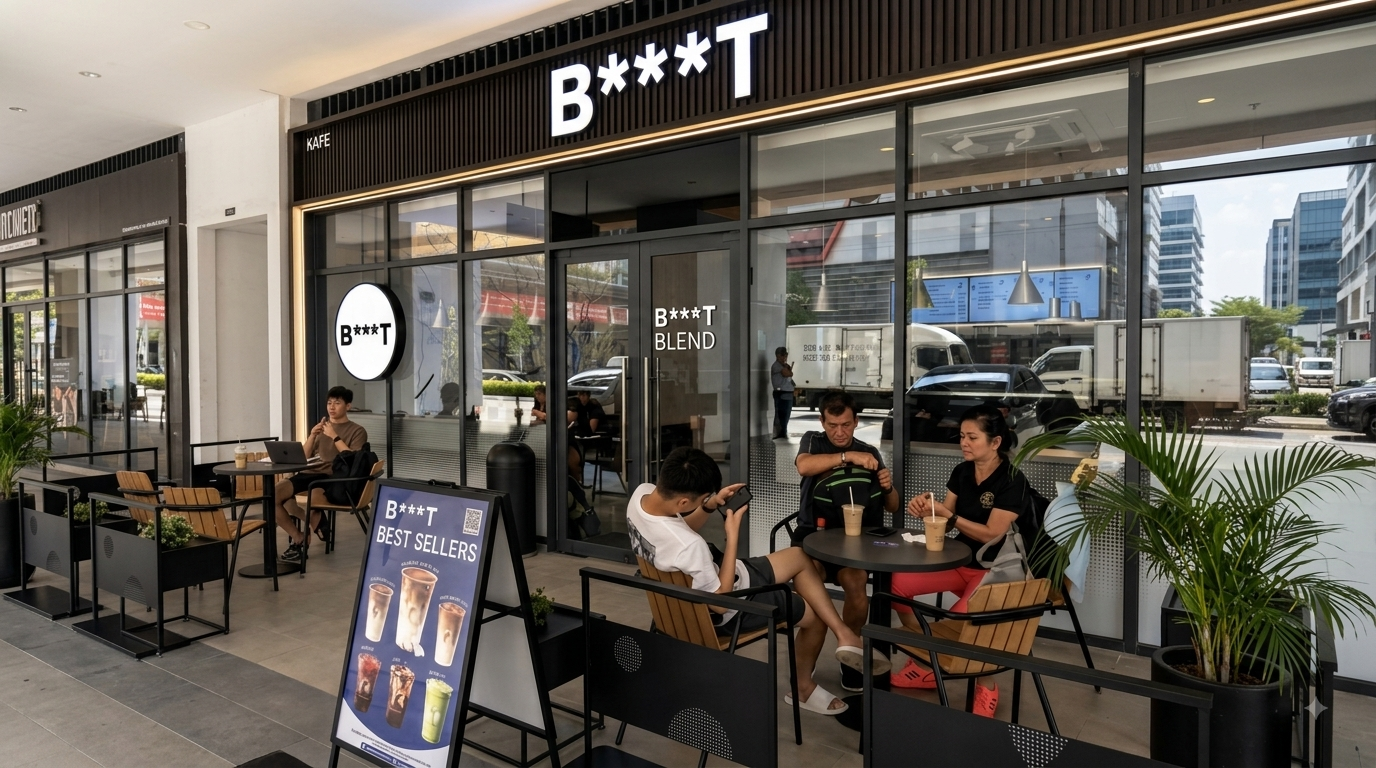
B***T is Here — India's Own Beverage Revolution is Expanding

For years, international beverage brands have changed the way people enjoy tea, coffee, and other drinks. They didn't just sell beverages — they created experiences that people loved and kept coming back for.


Now, it's India's turn.

B***T is India's answer to the global beverage movement — and it's just getting started. And for anyone looking to build a business around that momentum, B***T and Premium Franchise and Locations are opening up one of the most exciting Beverage Investment/Franchise opportunities in the country today.


A Category-First Brand, Built for India

When you walk into most beverage outlets in India today, you'll find them boxed into narrow categories — a tea stall here, a juice counter there, a coffee kiosk somewhere else. Customers are used to picking a "type" of outlet based on what they're craving that day, because very few brands offer genuine variety under one name, one experience, and one standard of quality


B***T was built differently, and deliberately so. We set out to create India's first true multi-category beverage brand — one that doesn't ask customers to choose between tea, coffee, or specialty drinks, but gives them all of it, done right, under one roof. Whether someone wants a comforting classic chai, a bold specialty coffee, a refreshing cold beverage, or something entirely new they haven't tried before, B***T is designed to be their answer every single time.


With 100+ varieties of beverages, imported ingredients, and international-grade machines, B***T brings the polish, consistency, and innovation of global beverage chains to Indian streets, malls, and high streets — but with flavors, formats, and price points built specifically for Indian palates and Indian consumption habits. This isn't an imported concept awkwardly dropped into the Indian market. It's a brand engineered from day one to feel unmistakably relevant here — and built to travel well as a Beverage Investment model across cities.


Why B***T

Backed by 20+ Years of Hospitality Expertise

One of the biggest risks in franchising is backing a brand-new promoter with no track record. B***T removes that risk entirely.

B***T isn't a first-time experiment or a concept dreamed up overnight. It comes from promoters who have already built and successfully operated multiple restaurant and hospitality brands across India for over two decades. That kind of experience isn't easy to replicate — it comes from years of navigating supply chains, understanding real estate, training and retaining staff, managing costs, and building brands that customers keep coming back to.

For a prospective Investment partner, this changes the entire risk equation. You're not just buying a beverage concept and hoping it works — you're plugging into a team that has already solved the hard operational problems that sink most new F&B ventures in their first two years. Site selection, vendor negotiations, staffing systems, quality control, and pan-India brand building are all areas where the B***T promoters bring proven, battle-tested expertise. This is exactly the kind of operational backbone that makes B***T stand out among Beverage Investment options available to investors today.


The Opportunity: Join the B***T Revolution

B***T is on its way to becoming one of India's most recognized beverage Investment networks — and ground-floor opportunities in category-defining brands don't come around often. For entrepreneurs and investors looking to enter the F&B space, a Beverage Investment with B***T offers a combination that's genuinely hard to find in the market today:

  • A first-of-its-kind, multi-category beverage concept in India, not a single-category shop competing in a crowded niche
  • 100+ beverage varieties powered by international ingredients and imported machines, ensuring consistency and quality at scale
  • A proven promoter team with 20+ years of hospitality success across multiple successful restaurant brands
  • A premium, high-footfall location strategy designed to maximize visibility and walk-in traffic


Come Join the B***T Revolution

B***T is more than just a beverage outlet. It is gonna be the country's leading beverage chain — and a Beverage Investment partnership with B***T means growing alongside that vision from day one.


Global beverage brands showed the world what's possible when a great product meets great execution and real scale — turning a simple daily habit into a multi-billion-dollar category. B***T is bringing that same ambition home, built by Indians, for India, and now open for investment partners who want to be part of the story from the very beginning, not after it's already been written.

The beverage revolution has already transformed markets around the world. Now it's India's turn — and B***T is leading the way.


WE KNOW BY NOW YOU MUST BE CURIOUS TO KNOW THE NAME OF THE BRAND.

THE NAME WILL BE REVEALED SOON, TILL THEN KEEP GUESSING !!!


Ready to explore the opportunity? Reach out today to learn how you can become a part of the B***T revolution.

Read More
Premium Franchise And Locations

Echoes Café: A Unique Café Concept Turning Into a Powerful Franchise Opportunity

In today’s competitive café market, serving good food is not enough.

What truly builds a successful brand is experience + positioning.

And that’s exactly where Echoes Café stands out.


A Concept That Connects Beyond Food

Most cafés compete on pricing and menu, but Echoes Café competes on how it makes people feel. It has created a space where customers don’t just come to eat—they come to experience something different, something they remember and share. This emotional and experience-driven approach makes the brand naturally stand out in a crowded market.


A Modern Café Experience Designed for Today’s Generation


Started in Delhi by two entrepreneurs, Sahil and Shivans, with a vision to combine a meaningful initiative with a sustainable business, the café has grown into a well-recognized brand. Today, it continues to expand its presence while maintaining the same core idea that made it special in the first place.


What makes the experience even more interesting is the thoughtfully designed service system. Each table is equipped with a calling button, allowing customers to notify the staff easily. This simple yet creative approach ensures smooth service while adding a unique touch to the overall experience. The entire setup is designed to make the interaction seamless, comfortable, and memorable.


Why This Model Works for Franchise Growth

From a business perspective, this combination of experience and accessibility makes the model highly scalable. When a café attracts a wide audience due to its pricing and keeps them engaged through its experience, it naturally builds repeat customers. This consistency is what every franchise owner needs. Instead of depending only on new customers, the business grows through regular visitors who keep coming back and also bring others along.

At the same time, this opportunity is ideal for serious investors who want to establish a strong presence in the café segment. With an estimated investment of around 1–1.5 crore, including the franchise fee, the brand positions itself in a space where quality, experience, and long-term returns matter more than short-term gains. This level of investment allows franchise owners to build the right ambience, maintain brand standards, and deliver a consistent customer experience, which ultimately supports sustainable growth and profitability.


Final Thought

Echoes Café succeeds because it brings together experience, affordability, and a modern brand image in one place. In a market full of similar and often overpriced cafés, this balance makes it stand out and connect deeply with today’s audience.

For entrepreneurs, this is not just a café—it is a scalable and future-ready business opportunity that combines strong customer appeal with long-term growth potential.

For franchise enquiries, contact: 9871711055 – Premium Franchise and Locations.


Read More
Premium Franchise And Locations

Punjab Grill Royal Flavours of Punjab With a World-Class Dining Experience

Punjab Grill brings the grandeur of undivided Punjab to the modern dining scene. Inspired by the legacy of Maharaja Ranjit Singh, who was honoured as Sher-e-Punjab (The Lion of Punjab) for his courage and leadership, the brand proudly uses the Lion Head as its emblem — a symbol of royalty, strength, and heritage.

An endeavour by Lite Bite Foods, Punjab Grill takes guests on a premium culinary journey rooted in traditional Punjabi recipes, elevated with modern presentation and luxury dining standards.


Why Punjab Grill Stands Out


1. Royal Punjabi Cuisine, Modern Style

Authentic flavours, slow-cooked gravies, smoky tandoori dishes, and signature classics like Dal Punjab Grill and Butter Chicken make the menu unforgettable.


2. Elegant Fine-Dining Ambiance

Warm lighting, rich décor, and a luxurious but welcoming vibe — perfect for family dinners, client meetings, dates, and celebrations.


3. A Powerful Brand With Franchise Potential

Punjab Grill has grown across India and international markets, backed by strong brand recall, consistent quality, and robust operations by Lite Bite Foods.

Its franchise model appeals to investors looking for a premium F&B brand with high demand and global acceptance.


Perfect for Every Occasion

From casual meals to special moments, Punjab Grill offers a refined dining experience with royal hospitality, consistent flavours, and beautifully presented dishes.


Final Word

Rooted in history, designed for today, and growing rapidly through franchising — Punjab Grill stands as one of the most respected premium North Indian dining brands. If you want to experience or invest in authentic Punjabi luxury, Punjab Grill is a name that truly delivers.

Read More
Premium Franchise And Locations

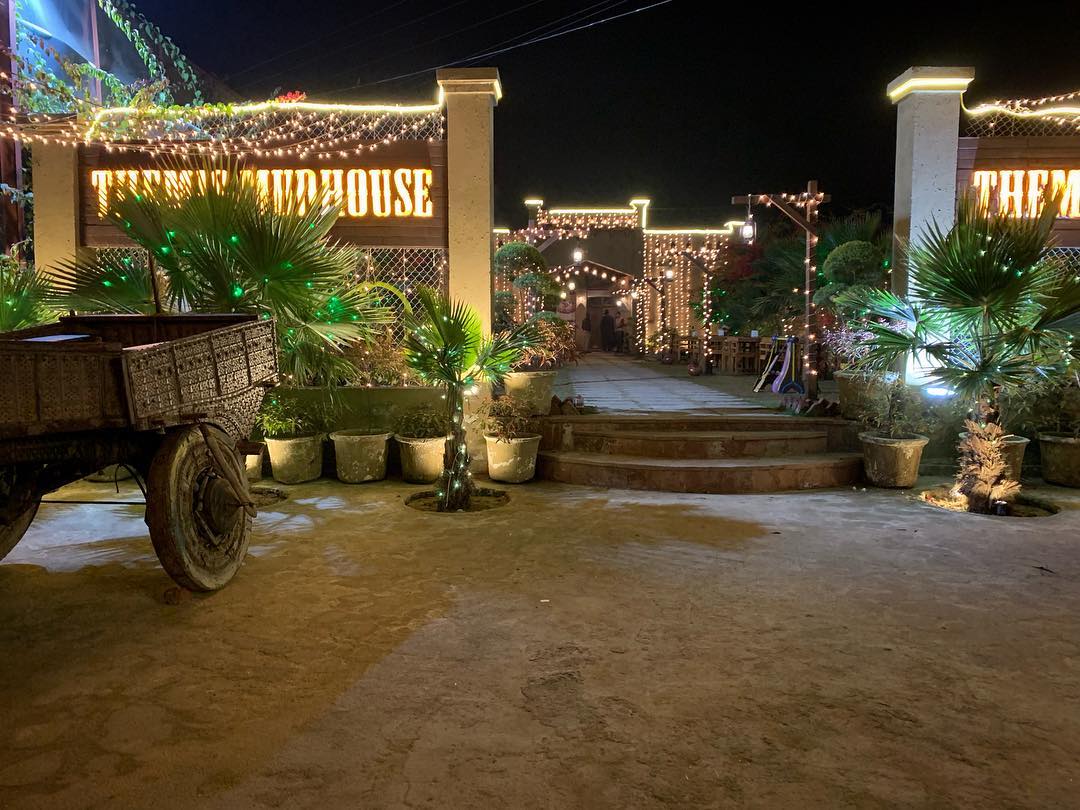
Themis Mudhouse: Where Nature Meets Luxury and Business Meets Opportunity

Introduction


When city life becomes overwhelming, Themis Mudhouse offers a refreshing pullout — a place that combines rustic charm, adventure, and modern comfort. Built with eco-friendly principles in mind, Themis Mudhouse combines rural charm with luxurious hospitality to create an immersive guest experience. Beyond a memorable stay, Themis Mudhouse also presents a compelling franchise opportunity for entrepreneurs who want to invest in sustainable hospitality.


The Essence of Themis Mudhouse


Themis Mudhouse celebrates traditional design and sustainable building techniques — mud-plastered walls, open courtyards, handcrafted furniture, and natural landscaping. We understand the importance of finding peace and comfort in your getaway, and our property offers a calming rural experience paired with the luxurious amenities you deserve. Comfortable cottages, spa facilities, and curated dining. It’s a retreat that honors nature and local culture without compromising on quality.


Activities at Themis Mudhouse — Adventure & Recreation


Themis Mudhouse isn’t only about relaxation — it’s also a place for fun, fitness, and adventure. The resort now features an exciting set of activities designed for families, groups, and thrill-seekers alike:

Activities like mud baths, spa treatments, saunas, and swimming pools provide relaxation, while engaging games such as cricket, volleyball, chess, and carrom keep you active and fully entertained.

These activities are designed to suit a wide audience — from families with children to adventure enthusiasts — making Themis Mudhouse a versatile destination for weekend getaways, team outings, and celebration stays.


Wellness & Guest Experience


Alongside adventure, Themis Mudhouse focuses on wellness and rejuvenation. Guests can participate in yoga sessions, book spa treatments, and savor farm-to-table meals prepared with fresh, local ingredients. The property’s calm ambiance and thoughtful amenities encourage guests to unplug, recharge, and enjoy meaningful downtime.


Themis Mudhouse Franchise: A Responsible Business Opportunity


Themis Mudhouse has grown in popularity for its authentic experiences and sustainable design. The franchise model enables entrepreneurs to replicate this success in new locations, delivering the same quality of guest experiences and eco-conscious operations.

Key franchise benefits:

  • Recognized brand and proven business model
  • Support in site selection, eco-friendly design, and construction
  • Training for staff and operations management
  • Marketing and digital promotion assistance
  • Access to reservation and CRM tools

Franchisees receive end-to-end support to maintain brand standards and deliver a consistent guest experience.


Market Potential


People in India are on the lookout for travel experiences that focus on adventure and making great memories. Themis Mudhouse’s mix of adventure activities, leisure amenities, and sustainable practices places it strongly in the fast-growing eco-luxury and experiential tourism market.


Conclusion


Themis Mudhouse blends nature, culture, adventure, and comfort into a single destination. Whether you want an action-packed weekend with horse and camel rides or you’re considering the Themis Mudhouse franchise to build a sustainable hospitality business, the brand offers both unforgettable experiences and solid entrepreneurial potential.

Read More
Premium Franchise And Locations

How to Pick the Perfect Location for Your Franchise

When it comes to franchise business opportunities, one of the most important decisions you will make is selecting the perfect location. The location of your outlet has a significant impact on the success of your franchise. A great product or service may struggle in the wrong place, while a well-chosen site can help your franchise thrive from day one.


Why Location Matters in a Franchise


The location is crucial for attracting foot traffic, ensuring visibility, and providing convenience for customers. For example, if you are considering a food franchise in India, choosing an area with heavy pedestrian traffic, proximity to offices, schools, or shopping centers can significantly increase your chances of success.


Factors to Consider When Choosing a Location


  1. Demographics – Understand who your target customers are and where they spend their time.
  2. Competition – Study the local market. A crowded area may mean more visibility, but too many competitors could cut into profits.
  3. Accessibility and Visibility – Your franchise should be easy to locate and reach. Parking, public transport, and clear signage all play a role.
  4. Cost vs. ROI – Balance rental expenses with the potential revenue. A premium location may cost more but can bring higher sales.
  5. Local Regulations – Always check zoning laws, licenses, and permits before finalizing a location.


Food Franchises: A Booming Opportunity in India


The demand for convenient, hygienic, and brand-oriented dining experiences is rising swiftly, creating an exciting landscape for the food franchise sector in India. This burgeoning category has become one of the most promising opportunities for entrepreneurs today. Visionary business owners are actively exploring avenues in bustling malls, vibrant high streets, and emerging markets in smaller cities, catering to a diverse consumer appetite for quick-service meals and specialty cuisines that delight the palate.


Final Thoughts


Exploring franchise business opportunities across various sectors such as retail, education, or food? One key factor you can't afford to overlook is your location. The right spot can make all the difference, significantly shaping your long-term success. Choosing wisely means setting the stage for growth and prosperity in your venture! Engage in thorough research, tap into expert insights when necessary, and invest ample time in selecting a site that resonates with your brand identity and matches the characteristics of your target customer base.


An ideal location transcends mere geography; it serves as the cornerstone of your franchise's growth and prosperity. Careful consideration of factors such as foot traffic, accessibility, and surrounding competition will ultimately pave the way for a flourishing venture.

Read More
PFL restaurant franchise business opportunity

Expansion Plan and Support system of Raasta

Expansion Plan and Support system of Raasta

Getting associated with an international brand was never so easy as it is today. Still, the fact is that you need to get the right platform where you can find some of the best franchise opportunities. Many entrepreneurs or the ones who wish to enter the food and beverage business, are now venturing into a food business franchise, not only it makes the work easy because you get to associated with a renowned brand, but it also ensures that you get the right support and assistance. In recent years, we have seen a remarkable rise in the demand for restaurant franchise business opportunity, and many people who are willing to enter this domain are looking for the best café and lounge franchise. PFL is the right platform where you can explore umpteen franchise opportunities. One such popular franchise options for those who are willing to invest in café and lounge franchise is Raasta.

Well, it's not just the international franchises that are making staggering growth, the Indian franchise brands like Raasta have created a distinct mark in the market. Raasta was started in 2012 and ever since then it has been the hot spot for those who wish to enjoy a convivial and zestful nightlife. Striking a chord with the Rastafari culture, this place is a hub for some amazing music, live music events, and lip-smacking food. The brand has earned many spurs for its live events and music fest Raaga Dub that featured both national and international stars.

Raasta is a premium name in the world of food and beverage franchise which has been able to successfully strike a chord with the youth of the nation. The entire set-up of this franchise is designed keeping in mind the young spirit and liveliness that people would like to have when they visit this place. There are a number of aspects that set the Raasta franchise ahead of others.


What makes Raasta your next path?

Whenever we talk about a franchise option, our focus is to get to associate with a brand that makes it easy to gain recognition and also get credibility in the market. Raasta brings you all this along with its upbeat style and unique appeal that immediately makes it the favourite hangout space for all.

  • Delectable food to cherish- You cannot imagine a hangout complete if you don’t get to feast on scrumptious dishes. Raasta’s menu has been curated to satiate the taste buds and palate of every individual. As a franchise owner of Raasta, you will be offering your visitors a blend of unique taste and lively ambience adorned with impeccable interiors. The menu offers tasteful dishes and drooling mocktails and cocktails. Gulp down a pint of a chilled beer to breathe out stress and breathe in fun and joy.
  • Enjoy the Caribbean life- So what if you cannot travel to the Caribbean island, Raasta brings you the ambience right here. The convivial ambience and unique interiors of this place accentuated with amazing accessories and furnishings amp up your party mood. The interiors of the place draw inspiration from the Rastafarian culture, which gets supported by Bob Marley’s musical notes. Some of the common ones that will hit your ears at Raasta would be Bob Dylan, Jimmy Hendrix, and Jimmy Cliff.
  • Musical heaven – For the lovers of live music, Raasta is no less than a heaven. The place has had some of the shooting stars of the musical world like Apache Indian, Diana King, Robert Babicz, Betoko, Pete Oak, Levelz, Iseo & Dodosound, and the names are just pursuing in. The popping environs, along with pulsating music, makes this café and lounge franchise a popular name in the business. The place also welcomes its guests to dance to the tunes of popular Djs like Karsh Kale, Diana King, Humble the Poet, Pete Oak, General Levy, Delhi to Dublin, Gaudi, Nucleya.
  • Raasta merchandise- Now you can not only enjoy the Rastafarian life at Raasta, but you can also deck yourself up in that. Raasta has collaborated with Nida Mahmood to create a comprehensive range of Raasta merchandise that will just spark up the lazy mood of yours.
  • Enjoy the theme night- Raasta is not just café and lounge franchise where you can gulp down handcrafted drinks and get to hog on some amazing food, but you can also enjoy theme nights. Raasta actually beats the monotony and has a new theme for every night, for example, you can bask into Ladies Night, Reggae Night, Karaoke Night, and more. This magnetic ambience draws people to this place, making Raasta an outstanding place to enjoy the night amidst amazing ambience and outstanding food.

Get out-and-out assistance and support

 What better can you ask for when starting a franchise, when you get all the assistance and support. Raasta is a brand that exudes vibrance and fun, which will attract people magnetically towards itself. Besides, you get the outright support of an apodous team of PFL. We are not about selling franchise; it is about creating an association, where the growth of company resonates with the growth of the franchise. With Raasta’s franchise, you are not only getting associated with the best café and lounge franchise, but you also get the assistance to establish your business. It entails even smallest of support that comes in the form of assisting you with branding and promotion, to help you find the best place and the best people. 

Any franchise opportunity that you are venturing into must give you profit and support. With Raasta, you get all this along with an assurance of complete handholding from PFL. There is no better way to start off as a secured business owner than exploring the franchise opportunities with PFL.

Read More
Cafes and Lounge franchises in the City of lakes

Fusillading success of Cafes and Lounge franchises in the City of lakes

Bhopal is a historic city with modern-day urban development whose dietary preferences are changing in accordance to the contemporary lifestyle. Bhopal is called the ’city of lakes’ and has no paucity of recreational spots like malls, markets, museums, gardens, parks, zoos etc. specifically the rock caves of the Palaeolithic era attract international research tours all year around. 

The city has a higher than national average youth population with just over 20% being the local youth. With many universities of national importance, many young people are migrating into the city for education. This increases the potency of the place as an F&B market. The per capita income is 47,214INR against the national average of 35,947 as per the 2001 census and the population has a high disposable income for entertainment. The town is home to a population that believes in requiescence which is why the food and entertainment sector performs well.

Bhopal is a shopaholic’s paradise with its Zari and textile works that attract an urban crowd from all parts of the country and the local markets have a heavy footfall, proximity of Cafes and Lounges to these spots will heighten the profits drastically. Being a place of high income and potential, the place is expensive too, which is the reason why opening an independent restaurant joint comes at a hefty cost, young aspirants resort to take franchised brands which show great success in the city. The leisure crowd favours cafes and lounges over other for segments of restaurants

The quest for the perfect Café and Lounge franchise ends here, PFL is a franchise advisory and expansion strategy company that connects its clientele to the franchisors of many successful brands through its established network. It is the master franchise of various Café and Lounge franchises like Molecule Air bar, café OTB, Drunken Botanist, Junkyard café, Local and many other brands that have franchises in multiple cities across the country.

Read More
Expansion of Café and Lounge franchises in Pune

Cafés and Lounges taking a bite out of Pune’s evolving food trends

Expansion of Café and Lounge franchises in Pune

Pune’s dining scene has flourished with some of the best brands opening their doors to the foodies of the metropolitan. There is a balance of new flavours and old favourites that make this city unique. When the world goes crazy over pizzas and burgers, Punekars are sui generis in their quest for eclectic dining choices.

The city caters majorly to its sizable youth population and IT professionals. Food trendsetters are on the rise in this city in view of Cafes and Lounges that provide ideal hangout spots to the college crowds. Pune has one of the most developed nightlife in the country that is much needed for the skyrocketing food and beverage sector of the city. Pune’s well developed infrastructure attracts many domestic and international tourists and it is a very cosmopolitan city with over 40% of its population being from out of the state. Whether its Delhi’s street food, Bombay’s vada pav, Chennai’s Sambhar, Kolkatta’s smoked fish, Punekars have cravings for all of them. Cafes and lounges are expanding their brands in the city due to the profitability of the market.

The Café market of the city has witnessed an aggressive expansion by established brands, both domestic and international since eating out is no longer occasion driven, it become a daily activity. Pune has no dearth of young adults taking up a franchise business model to capitulate satisfying returns on investment in cafés and lounges. Unlike fast-food outlets, cafes and lounges serve hand-made dishes rather than mass produced frozen foods which works well with the fitness conscious crowd.

Looking for café and lounge franchises in Pune?

Check out PFL which is an expansions strategy company and franchise advisory based in Delhi-NCR that has brought successful cafés and lounges like the Flying Saucer and Teddy Boy to Pune. The company is the master franchise of various food brands like Molecule Air bar, Garam Dharam, Pita Pit, barcelos, Decode Café, Café OTB and many more brands that have franchise units in multiple cities of the country.

Read More
Casual Dining franchises in the Manchester of India

The rise of Casual Dining franchises in the Manchester of India

Expansion of Casual Dining franchises in Kanpur

The restaurant sector has an average annual growth of 7 per cent which is mostly monopolized by the organised sector. As per the recent 2011 census, Kanpur has experienced a surge in the number of two-income families which has heightened the amount of disposable income for leisure activities leading to the expansion of food and entertainment sector of the city.

Casual dining restaurants have seen the most potency of profits in the F&B industry of the town since they appeal to mid-income families and the educational residence of Kanpur. Urban food consumption patterns and food security are strongly established widening the demographic to inveigle. Two-thirds of the food outlets in the country are established through franchise systems, Kanpur has its fair share of this growth. The city has a nightlife culture in its infancy which is burgeoning rapidly, increasing the demand for better places with fresh concepts, making the investments more promising for casual dining restaurants. Kanpur is home to various universities that bring the college crowd to the city and cafés, lounges and restaurants in the contiguity of these universities are booming, the city’s population majorly consists of working professionals who are habitués of these restaurants. 

Recent developments in globalisation and liberalisation has increased brand awareness that has made the city’s economy an emerging market due to its vast population size and cultural diversity making it a prime environment for the franchises to rise with low competiveness. If you are looking for franchises that are sure to succeed in the town, PFL is the place for you. The franchise advisory and expansion strategy company is the master franchise of various Casual Dining Restaurant franchises like Barcelos, The Flying Saucer, Café OTB, Teddy Boy, Pita Pit and many more brands that have franchise units in multiple cities across the country. The company provides assistance in the lengthy process of acquiring a franchise for both franchisors and franchisees and is incontestable in finding ideal brands for its clientele through its well-established network.

Read More
Casual Dining franchises in the Manchester of India

BBQ company franchise: A platter of profitable earning

Good food can bring a good smile on the face of a person, and in India, no celebration or event is complete without lip-smacking food and a lavish spread. Owing to this growing popularity of food, there has been a steady surge in demand for multicuisine restaurants. The eating preferences and lifestyle have gone under a transformation, and people now wish to celebrate, gather and hang out at places where they can get comeliness, and good food. This has triggered the rise of restaurant franchises. Many big names in the food and beverage industry are now expanding their branches across the nation and even globally by opening their franchise outlet. Not only is it a great opportunity to establish a name in the market, but it also gives the franchise owner the leverage to own a brand and fulfil their business aspirations.

Why is this the right time to invest in food and beverage franchises?

India is a land of opportunities, with so many international names seeking their prominence in the Indian food market, we have names like BBQ company hailing from India, that are steadily establishing a strong foothold. India is the third-largest consumer market in the world, and hence it has become the hot spot for many gastropub restaurants and chains to explore the Indian market. It is expected that the Indian food market will grow at a rate of 10%, and it's worth would be around the US $27.57 billion by the time year 2020 comes to an end.

One of the simplest and convenient ways to reap the benefits of the growing food business in India is by opting for a food franchise business opportunity. 

BBQ Company: A company of amazing flavours and outstanding ambience

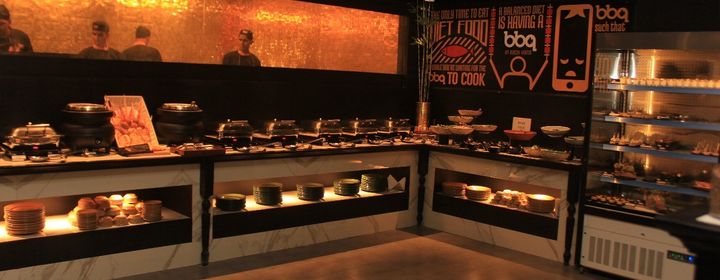
The culture of live grill and buffet has lured people from many years, the smoky flavour and zest of rawness presented in a sophisticated ambience add up to the fun and excitement. BBQ company was started in 2015 with an aim to provide people with an amazing eating experience where they can enjoy piping hot food and calming ambience. The entire setup of the BBQ company has been developed to create a mesmerizing ambience where people can enjoy every bite. Appetizing food, a comfortable ambience, and a lavish spread are all that one needs when they are out there to eat. 

Get into the earning mode:

As a business entrepreneur, if you are looking for the best franchise opportunity in the food and beverage segment, you have the BBQ company. The Indian franchising industry is at $24 billion, and as per Restaurant India, it will soon reach a mark of $35 billion.  

So, this is the right time to hit the chord and buckle up to get into the mode of doing business and make money. PFL are extending this great opportunity to help you explore the best food franchise options. With complete handholding and support to establish and run your business, there is no reason to keep your dreams and passion in a backseat. 

If the apprehension is still hounding you, and you are looking for the answers to it, then PFL help you find the solution. We will help you find the right location, identify the preferences that are dominating the food and restaurant business in your area, financial stability, ROI, and assist you in running the business at the forefront. 

Stop chasing the money and start chasing your passion by running this amazing franchise opportunity. With all the assistance, the right support, and standard protocol, you now have the chance to make yourself reckoned by associating with an outstanding brand, BBQ Company. PFL are welcoming all the business enthusiasts to join the bandwagon of successful business franchise owners. 

Read More
right time to start a franchise business India

When is the right time to start a franchise business?

The food industry is growing at a very fast pace in India. Starting a business is a dream of every individual, and most of the budding entrepreneurs are now eyeing the food and beverage segment. There are several contributing factors to the same, like the growing disposable income, changing lifestyle of the people, and most importantly, the youth segment of the population in India is on a higher side. 

When we talk about the food and beverage segment, the franchise business opportunities are a lucrative and safe way to venture into the business. While it's true that starting a business from scratch looks very challenging and exciting, many such names mushroom in the market and soon fade away. But if you are planning to play in the long run, and want to be a part of the legacy business, then a food and beverage franchise can be a good option for you. 

You can explore several options, like the pub and bar franchise, nightclub franchise, quick service restaurants, nightclub franchise, café and lounge franchise, and others. Indian has been magnetic when it comes to international franchise names venturing here. In fact, India is the second-largest franchise hub after the United States. 

You might be wondering why we should start a franchise amidst the global pandemic. Well, your question is pertinent, but the fact of the matter is that there is no better time than starting it today. It might sound a bit bizarre at the moment, but we will try to answer your queries to your satisfaction.


Why should you start a franchise today?

Franchises are not alone in this- An important point that you need to understand here is that franchisees are not sailing alone in these unfavourable times. There are other businesses that have been bashed down because of a lack of support and an operational model. But that is not the case with a franchise. When you invest in the best food and beverage franchise, then you are choosing to invest in a pre-approved model that already has a legacy of success. It has protocols and a predefined model of working. Besides, the never-ending support of the parent franchise makes the franchise business a stronger option as compared to starting the business from scratch. The pandemic and recession may impact the flow of the crowd and funds, but it will not lock up the business model.


A break from the vicious job cycle- Today, everyone is caught up in a vicious job cycle. Irrespective of the kind of work profile, there is hardly any time left to focus on their passion and individual growth. It is because of this reason that in recent times, we have witnessed a rise in the demand for franchise businesses. These business models have a proven track record. Moreover, they provide unending support to the franchise owner, who becomes a great tool to survive during challenging times. 

Your passion is important- Starting a business needs only one omen, and that is your passion. If you have the zeal to succeed and passion for reaching the zenith, then you must not think twice. Don't just dip your toes into the pool; rather it's time to plunge into it and start exploring the different franchise business that not only matches your aspiration but also guarantees you a success mantra. 

Franchise businesses have a good success rate, but again it's important to acknowledge the fact that not all franchise businesses are successful. Hence, when it comes to narrowing down the option to just one, you must invest your time and energy to research the credibility of the franchise business options. 


Role of a franchising consulting firm


There has been a considerable increase in the number of franchise businesses emerging in India, but not every name can live up to the claims that it makes. If you are new to this segment, then starting the research from scratch may take a lot of time, and you may not be able to fetch down all the necessary information. Hence, you have the next best option, and that is to connect with the PFL. This franchise consulting firm is led by industry experts who have helped the franchises stand from scratch. 

Investing in a franchise is not only limited to money; it also requires your time and effort, and hence, when it comes to choosing the best names in the business, then you must choose only a trustworthy franchise option. PFL have researched and brought together the most premium food and beverage franchise. You can explore from pub and bar franchises to buffet franchises. The management team will always be in contact with you to assist you in establishing a franchise and making it a success.

So, don't think twice; this is the right time to invest in a good franchise option, and for a more detailed overview, connect with the PFL today. 

Read More
Food and Beverage Franchise Opportunity in India

Innovative Beverage Concepts Shaping the Indian Market

Beverages and coolants are the only things that can quench your thirst during a hot, sunny day. Over the years, the concept of beverages in the restaurant industry has evolved. It is now more than a concoction of different ingredients. The artistic presentation of cocktails and mocktails would enchant you.

According to an ISWAI report, the alcoholic beverage market in India is expected to reach a whopping USD 64 billion in the next five years, showcasing the immense potential for innovation.


Let's dive into some of the most innovative beverage concepts currently making a splash:

1. Functional Focus: Beverages are no longer about a mixology of sugar and water; they have much more to offer. With the growing pace of health-conscious consumers, there is also a growing demand for drinks that are not only delicious but also functional. The functional beverage market in India is projected to reach USD 1.3 billion by 2025. Some of the popular drinks on the list include kombucha, probiotics-rich drinks, and cold-pressed juices. Indian brands are incorporating local ingredients like turmeric and moringa into these functional drinks, creating a unique and potent health boost.

2. Local Goes Global: In recent years, we have seen a rise in the number of consumers who want to experiment with food and drinks. The local flavors are gaining popularity and are taking up center stage in the menu of restaurants and cafes. According to a survey by LocalCircles, over 70% of Indian consumers are interested in trying beverages with regional flavors. The modern twist to conventional drinks is garnering a lot of attention and love from consumers. Innovative packaging, dedicated distribution channels, and outstanding presentation are making these drinks cult favorites. This trend celebrates local heritage while attracting a global market.

3. Sustainable Sips: Nowadays, every industry focuses on sustainability. People are now opting for eco-friendly options, and the beverage industry is responding. A study by Nielsen revealed that 66% of Indian consumers are willing to pay more for sustainable products. This means using recycled or compostable packaging, minimizing water usage in production, and sourcing local ingredients. Some brands are even exploring upcycled ingredients, giving food waste a delicious second life!

4. Alcohol Alternatives: While alcoholic beverages are certainly a key focus for every restaurant and lounge, even non-alcoholic beverages are gaining popularity. The "sober curious" movement is gaining traction in India. A recent report suggests that the non-alcoholic beverages market in India is expected to grow by 3.2% in 2025, with at-home volume reaching 38 billion liters by 2028. Botanical brews, variants of teas, and flavourful mocktails are now catching up with the menus of restaurants and cafes. Even the mixologists are creating amazing non-alcoholic concoctions. These drinks cater to those seeking a sophisticated and delicious option without the alcohol.

5. Experiential Beverages: Beverages are no longer just thirst quenchers; they're becoming experiences. Interactive vending machines offering personalized flavor combinations, pop-up cafes with on-site mixology, and even subscription boxes delivering unique artisanal drinks – these are just a few ways companies are upping the beverage experience game.

How Is This Change Impacting The Food and Beverage Franchise Segment?

Undoubtedly, the F&B franchise is an emerging trend that presents an innovative dining experience to customers. From the extravagant menu to the awe-striking ambiance, the food and beverage franchises present a beautiful experience to the consumer. Homegrown franchise brands like Daryaganj, Dhaba 1986, Mamagato, Khatirdari, and others are blending local flavors with an international touch. Similarly, the café and lounge franchises like Café de Flora have presented an out-of-the-world experience that uplifts your mood the moment you enter these places. From enjoying an array of cuisines to quenching the thirst with amazing drinks, these franchises have raised the bar and have taken the dining experience a notch above.

These franchises are at par with any international food chain and offer outstanding experiences to the consumer. They have an artistically crafted menu that is making them a cult favorite. Hence, investing in restaurant franchises, or café and lounge franchises, has become a profitable deal.

Sipping It Right !!!

The Indian beverage market is brimming with exciting innovation. The changing preferences of consumers and growing focus on exploring and experimenting with flavors have pushed restaurants to adopt sustainable practices, introduce healthier drinking options, and innovate their menus to appeal to consumers. So, next time you reach for a drink, keep an eye out for these innovative concepts. You might just discover your new favorite beverage that's not only tasty but also redefining the Indian market!

Read More
opportunities for cafe and lounge franchises in India

The Rise of Coffee Culture and its Impact on India

Coffee, the aromatic elixir that jumpstarts mornings and fuels busy days, is more than just a beverage; it's a cultural phenomenon. From the ceremonial brewing traditions of Ethiopia to the grab-and-go mentality of New York City, coffee culture takes on unique expressions around the world. And now this culture is picking up pace in India.

Some of the renowned coffee brands, such as Starbucks, have gained massive popularity in India. This has also motivated homegrown brands to offer exceptional ambience. It has triggered the growth of this coffee culture in India. The growing aspirations of the consumer and willingness to explore new experiences have led to the growth of cafes in India.


The impact is astronomically growing, and the impact can be seen in the rise of café and lounge franchises and coffee shops in India. In the last few years, a number of coffee shops have opened in India. As per NPR, in the last decade, thousands of coffee shops have opened in India. Also, the coffee culture is growing 10.15% year on year. The market is expected to witness a rise of 9.04% between 2023 and 2028. 


So, how is this culture reshaping the Indian market? Let's answer this question by exploring this global phenomenon and delving into its influence on the burgeoning cafe and lounge franchise market in India.

A Beanbag of Traditions: Coffee Culture Around the World

Coffee's journey began in Ethiopia, where legend places its discovery with a goat herder who noticed his animals' increased energy after consuming the beans. From there, it spread like wildfire across the globe, evolving into distinct traditions:

  • Ethiopia: Here, coffee ceremonies are elaborate social gatherings, with the brewing process itself a two-hour ritual. Coffee beans are roasted over charcoal and brewed in a jebena pot, producing a strong, aromatic coffee.
  • Italy: The land of espresso! Coffee is a quick, social affair, enjoyed at the bar in small sips. Lattes and cappuccinos are strictly morning drinks.
  • Vietnam: Strong, sweet, and condensed milk-infused Vietnamese coffee is a delightful twist. Brewed with a phin filter, it offers a unique and delicious experience.
  • Scandinavia: Coffee consumption is the highest here, with cosy cafes serving as social hubs. Filter coffee is the preferred choice, and it is enjoyed throughout the day.

The Indian Coffee Story: A Perfect Blend of Tradition and Modernity

India boasts a rich coffee history dating back to the 1600s. Coorg, Karnataka, is famed for its coffee plantations, and the country is one of the world's largest coffee producers. However, coffee consumption has traditionally been lower compared to other parts of the world.

This trend is changing. Fueled by a growing young population, rising disposable incomes, and a burgeoning cafe culture, India is experiencing a significant growth in coffee consumption.

The Cafe Boom: Brewing a Hot Market for Franchises

This surge in coffee consumption is fueling the growth of cafe and lounge franchises in India. Young consumers, with a penchant for international coffee chains and a desire for a relaxed social atmosphere, are driving this demand.

Popular international chains like Starbucks, Costa Coffee, and Cafe Coffee Day have established a strong presence in major Indian cities. These cafes offer standardized beverages, comfortable seating arrangements, and free Wi-Fi, creating a social hub for students, professionals, and anyone seeking a caffeine fix with a comfortable ambience.

Beyond the Big Brands: A Niche for Local Roasters

Alongside international chains, a niche market is emerging for local coffee roasters and speciality cafes. These establishments focus on high-quality coffee beans, artisanal brewing methods, and unique beverage offerings. This caters to a growing segment of coffee connoisseurs who appreciate the distinct flavours and brewing techniques.

A Sustainable Cup: The Future of Coffee in India

As the Indian coffee culture matures, there's a growing emphasis on sustainability. Consumers are becoming more aware of the environmental impact of coffee production and are seeking out ethically sourced and eco-friendly options. This presents an opportunity for cafes and franchises to partner with sustainable coffee roasters and offer biodegradable packaging solutions.

A Coffee Cup Full of Opportunities

The coffee culture in India is on a vibrant upswing. Fueled by a growing youth population and a changing lifestyle, the demand for coffee experiences is booming. This presents a plethora of opportunities for cafe and lounge franchises, both international and domestic.

Brands like Café de Flora, The Swinton House and many more have redefined the café culture in India. They also offer a franchise opportunity that helps in brand expansion across the nation.

By understanding the evolving preferences of Indian consumers and embracing sustainable practices, these establishments can brew a recipe for success in this dynamic market.

Read More
Premium Franchise and Locations
FacebookGoogleSocialYouTube

Office Address

Office no 51, Ground Floor, DLF Tower, Shivaji Marg, Moti Nagar, New Delhi 110015

Categories

Food & BeverageFarm HouseGaming & Fun Zone

Pages

HomeAbout UsFranchise CategoryFranchiseBuilding BrandsBlogsReal Estate Services

© 2026 Premium Franchise & Locations. All rights reserved.